
Cat breed profile
Sphynx
Known for its hairless coat, the Sphynx cat loves attention and draws it wherever they go.
By PettyCatty Editorial Team · Updated 30 September 2026
Choosing this breed
Little visible fur does not mean simple upkeep; skin and temperature comfort become more noticeable.
What to check
Can you discuss an individual skin-care routine and offer warm places to rest?
At a glance
Known for its hairless coat, the Sphynx cat loves attention and draws it wherever they go. They are available in a variety of colors and patterns and will entertain themselves and their humans for hours with their inquisitive, intelligent, and extremely friendly personality. Sphynx are loyal and dedicated to their owners and make very affectionate companions for everyone. Find out more about this breed and if a Sphynx is right for you and your family.
About the breed
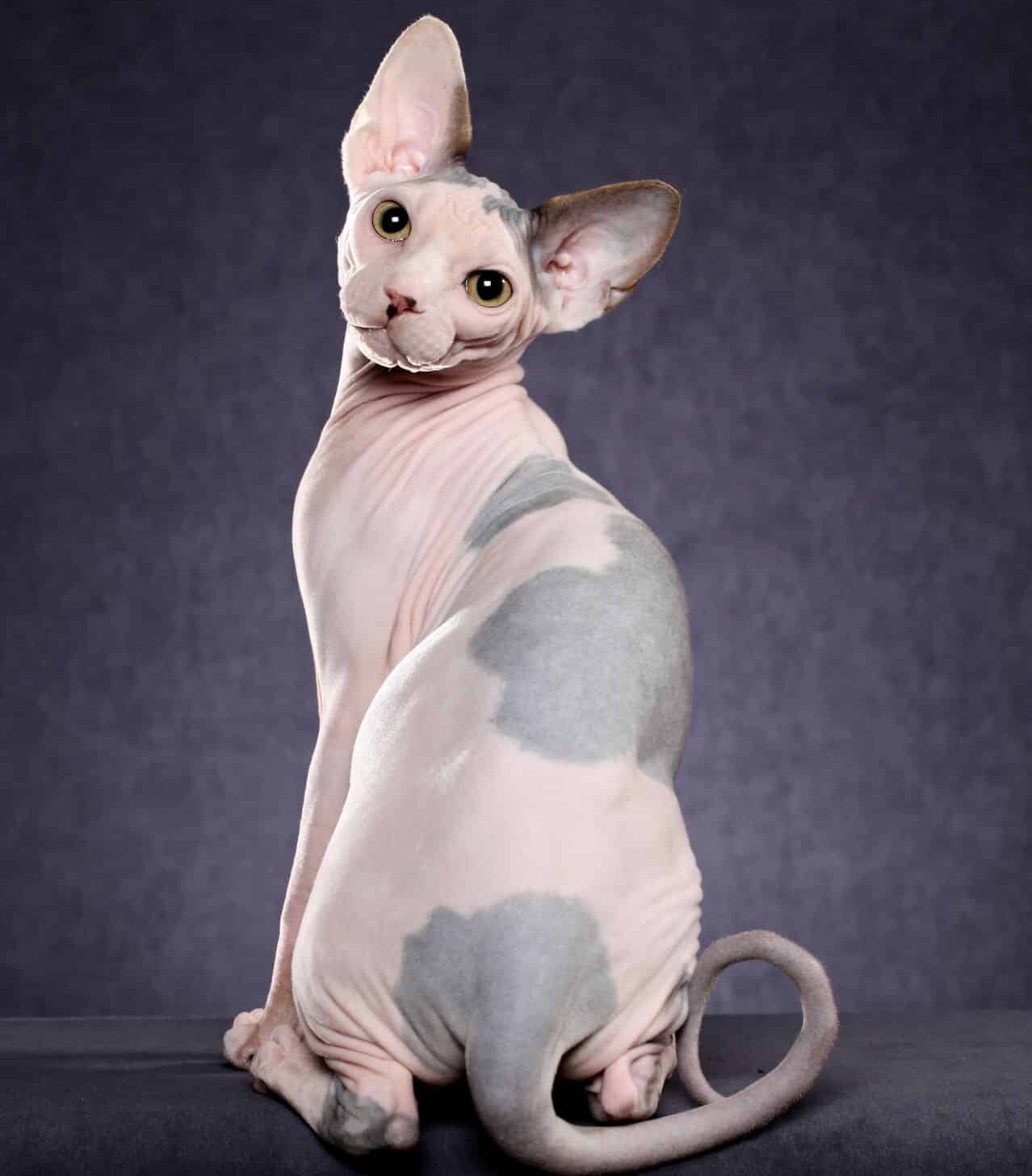
Sphynx are striking and distinctive due to their hairless appearance. While they appear hairless, there is a fine down on their body, giving the skin a chamois or suede-like texture. They are warm and soft to the touch. Sphynx are required to have hair on their nose, and may have some on their ears, paws and tail.
They are an inquisitive, intelligent, and extremely friendly breed.Sphynx are one of the most affectionate breeds of cats so they are often labeled “Velcro cat”. They have a strong desire to be with their owners all the time. Sphynx frequently sleep with their owners under the covers and some like sitting on human shoulders like parrots.
Sphynx are gregarious and love to greet every new person visiting the home, and most get along well with dogs, children and other pets. They are loyal and dedicated to their owners and make very affectionate companions for everyone.
Breed standard
The Sphynx appears to be a hairless cat, although it is not truly hairless. The skin should have the texture of chamois. It may be covered with very fine down which is almost imperceptible to both the eye and the touch. On the ears, muzzle, tail, feet and scrotum, short, soft, fine hair is allowed. Lack of coat makes the cat quite warm to the touch. Whiskers and eyebrows may be present, either whole or broken, or may be totally absent. The cat should not be small or dainty. Males may be up to 25 percent larger so long as proper proportions are maintained. The Sphynx is sweet-tempered, lively, intelligent and above all amenable to handling.
Activity and home life
Sphynx are alert, agile, highly active cats. Their lively antics are a constant source of entertainment for their owners.
Kittens and young adults are quite playful and goofy and will entertain themselves for hours on end. Their long dexterous toes make them skilled at opening doors, cupboards and anything else that sparks their curious nature. They have been known to play a game of fetch or chase.
Sphynx are extremely affectionate and are equally content cuddled up in your arms for hours, or playing with children and other animals. They are family cats to their core as they share an immense love with all family members, both animal and human.
Breed information and care
The intriguing Sphynx cat never fails to draw a reaction from people – some people love the bald, wrinkled look, some are fascinated by the cat, while others are less than enthusiastic. But for those that take the time to get to know the cat, a great treat is in store. They have very soft skin that feels like the softest chamois leather and are so very warm to the touch that you just want to cuddle up with them-especially in cold weather. Their toes are like fingers and they use them that way as they investigate and play with everything that takes their curiosity. They wrinkled faces remind you of the wisdom we all gather with age while their big ears and lemon-shaped eyes give them a unique look. Their rounded Buddha-like bodies bring a smile to the face. The Sphynx is definitely an enigmatic breed for the connoisseur.
First attempts at breeding Sphynx began in 1966, when a black and white cat gave birth to a hairless kitten in Ontario, Canada. The owner named the hairless kitten Prune, due to the wrinkled hairless skin. Prune was bred to other cats in an attempt to create more hairless kittens. Because hairlessness is a recessive gene, some of the kittens resulting from this union had hair, while others did not. These kittens were called Canadian Hairless Cats, which some people referred to as Sphynx cats, due to their physical similarities with an ancient Egyptian cat sculpture called the Sphinx. Between 1975 and 1978, several natural mutations of hairless kittens were found in Minnesota and Toronto. These kittens, named Epidermis, Punkie, and Paloma, were bred to Devon Rex, another breed with very little body hair. The Sphynx breed traces its history to the offspring of these unions. TICA has recognized this breed for over 40 years and there are now several thousand Sphynx registered in the world.
The Sphynx is an inquisitive, intelligent, and extremely friendly cat. Warm and soft to the touch, Sphynx frequently sleep with their owners under the covers. The term “Velcro lap cat” used to describe the desire of the Sphynx to be on you all the time, is very accurate. Sphynx love to greet every new person visiting the home, and most get along well with dogs and other pets. Because of their hairlessness, Sphynx have a tendency to get cold but they are intelligent enough to find a warm place- usually a computer monitor, a sunny window, a television, or under a blanket with their owners. Sphynx are highly active and will entertain themselves for hours and some Sphynx even fetch toys. Many Sphynx owners describe their cats as elf-like or childlike due to their inquisitive and intelligent nature. Sphynx are loyal and dedicated to their owners and make very affectionate companions for everyone.
The Sphynx is one of a few hairless breeds. Striking and distinctive in appearance, they do not lack hair entirely. Fine down covers the skin of most Sphynx, giving the skin a chamois or suede-like texture. Light hair is usually visible on the nose and backs of the ears. Sphynx come in a variety of colors, including solid, particolor, tabby, tortoiseshell, and are recognized in all four of TICA’s categories: Traditional, Pointed, Mink, and Sepia. Their color is viewed on the pigment of the skin and on the few hairs (down) they have. Perhaps their second most distinguishable feature is their huge ears, frequently more than 2 or 3 inches in height. The Sphynx also has an open and sweet expression, greatly facilitated by the large lemon shaped eyes. This is a sturdy medium-boned, athletic and highly muscular cat. The belly of the Sphynx should give the appearance of having recently eaten a large meal. Because of their friendly nature, Sphynx often make excellent show cats as they are highly accepting of new people and easy to handle. Because of their lack of absorbent coat, Sphynx tend to get oily and need to be bathed often, but they are not hypo-allergenic. While some individuals with allergies find they are not allergic to Sphynx, others discover they are allergic but usually to a lesser extent.
Hypertrophic cardiomyopathy can occur in cats, including this breed. A normal appearance does not rule out heart disease. Ask your veterinarian whether the individual cat’s history or examination warrants cardiac testing; screening methods and timing should be tailored to the cat.
Despite their apparent lack of hair, it is important to groom a Sphynx regularly. Most Sphynx breeders train their kittens to accept regular cleaning, so professional grooming is not necessary.
Sphynx cats should be bathed regularly, however one of the biggest misconceptions of the breed is that they need to be washed weekly. Over bathing can actually disrupt the natural PH balance of the skin, causing an over production of sebum to self-regulate. Bathing with a natural, gentle shampoo every few months to remove the build-up of body oils is sufficient to keep the skin healthy and the furniture clean.
Special care should also be taken to protect them from sunburn and skin damage, as well as from cold temperatures.
Like any cat, the Sphynx also needs weekly nail trimming, eye cleaning, and dental care. Their ears lack hair, so wax build-up needs to be cleaned out gently each week. Brush their teeth with a pet toothpaste for good overall health and fresh breath.
Due to their high metabolism, high-quality food is extremely important. They have hearty appetites and have a higher daily caloric intake then the average coated cat. Being so food driven, it is important to always keep an eye on their weight, but keep in mind this breed is not a dainty or delicate one. Their round bellies and pear-shaped bodies are a part of their charm. Feed them two to three times a day on a regular schedule, and as with all cats, it is important to give your cat fresh, clean water daily so they don’t hesitate to drink.
Compare a related breed
Donskoy is worth comparing when the features above appeal to you. A hairless appearance does not mean maintenance-free care; skin and temperature comfort matter.
Use both profiles as starting points; an individual cat’s behaviour and care needs matter more than a breed average.