Health
How to spot the signs of cat arthritis
Recognise changes in jumping, grooming and behaviour that may indicate joint pain, and learn when to arrange a veterinary examination.
By PettyCatty Editorial Team · Updated 30 September 2026
PettyCatty perspective
Compare what your cat does now with familiar daily movements: reaching a favourite perch, using stairs and grooming the back. A short video of a change can make a veterinary conversation more specific than a general description of “slowing down.”
What to check
Changes in movement are a reason for an examination, not a way to diagnose arthritis at home. Do not give human pain medicine to a cat.
Further reading
Overview
No pet parent likes seeing their cat slow down as they age, but what's even more worrying is wondering if they may be in pain. Sadly, age-related conditions like arthritis are common in senior cats, so knowing the signs is vital to help give them the best quality of life possible.
Article Summary
In this article, we'll explore how cats show pain and some of the signs that may indicate arthritis. We'll also look at what causes arthritis in cats, and what to do if you think your feline friend may be suffering from the condition.
- Cats are masters at hiding pain, so it's not always easy to tell when they're suffering.
- Cats that are in pain often just move around less and spend more time sleeping and resting.
- They may go up and down stairs awkwardly, pause for longer before jumping onto objects, or reach out with a paw to shorten the distance of a jump.
- Many cats with arthritis find it difficult to reach certain areas of their fur, and some will overgroom painful joints.
- A usually calm cat may become grumpy and avoid contact, while others may start hiding away or become clingy.
- Arthritis is a degenerative joint condition that can cause pain and reduced mobility.
- Risk factors include joint injuries, breed predisposition, and obesity.
- If your cat shows these changes, record what you observe and ask a veterinarian to assess the cause.
How Do Cats Show Pain?
Cats are masters at hiding pain, so it's not always easy to tell when they're suffering. But by closely monitoring their body language and behaviour, you can pick up on subtle signs that something is wrong.
Here are some signs to watch out for:
Cats that are in pain may not show obvious signs like limping or crying out when touched. Instead, they often just move around less and spend more time sleeping and resting. Loss of interest in activities they once enjoyed, like playing and hunting, could also indicate pain.
When your cat does move around, look for signs of stiffness and hesitation. For example, they may go up and down stairs awkwardly, pause for longer before jumping onto objects, or reach out with a paw to shorten the distance of a jump.
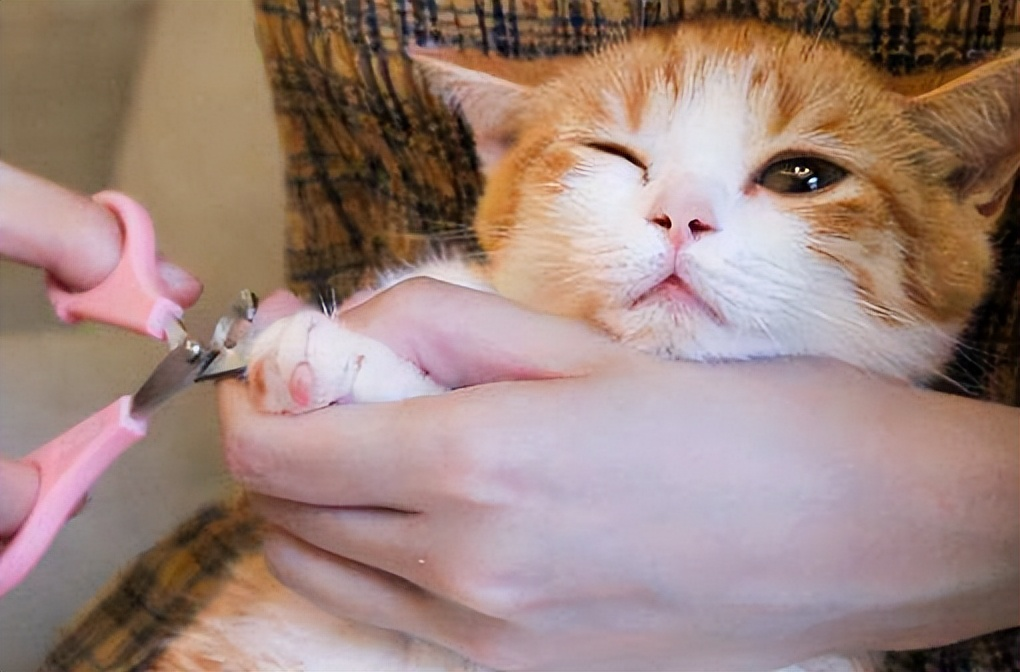
Many cats with arthritis find it difficult to reach certain areas of their fur. As a result, your usually well-groomed kitty may develop clumped, matted patches on their coat. On the other hand, some cats will react to painful joints by overgrooming them, leading to sore, bald patches. Your cat's claws may also become long and painful to retract because they spend less time sharpening or naturally wearing them down.
If your furry friend's behaviour has changed, it could be a sign of pain. A usually calm cat may become grumpy and avoid contact, while an already grumpy one may become even more irritable. Some cats may start hiding away more or become clingy with their owners.
- Reduced activity.
- Decreased mobility.
- Changes in grooming habits.
- Behavioural changes.
Are These Changes a Sign of Cat Arthritis?
Arthritis can cause joint inflammation, pain and reduced mobility. It can affect cats of different ages, and becomes more common as cats get older. These signs need veterinary assessment because other conditions can cause similar changes.
If left untreated, arthritis progressively worsens over time and can lead to chronic pain and mobility issues. Pain from the condition can also negatively impact your cat's quality of life, affecting their mood, social interactions, sleep, and more.
Changes in movement can have several causes. Take action if you suspect your cat is in pain rather than assuming that ageing alone explains the change.
What Causes Arthritis in Cats?
It's not yet been conclusively proven what causes arthritis in cats, but some risk factors have been identified. Let's take a look at them:
Fractures, dislocations, and other joint traumas are commonly associated with the development of arthritis.
Joint structure and inherited conditions can affect risk in some breeds. Ask your veterinarian how your cat’s history, movement and examination affect the assessment.
Excess weight puts additional strain on joints and can make arthritis worse.
- Previous joint injuries.
- Breed predisposition.
- Obesity.
What Should I Do if I Think My Cat May Have Arthritis?
If your cat is showing signs of pain or reduced mobility, arrange a veterinary appointment. Record the changes you have noticed, including when they occur, so the veterinarian can assess the cat and discuss possible causes.
The good news is that arthritis can be effectively managed when detected and treated early. So, don't hesitate to get your feline family member checked out!