Health
Newborn Kitten Care Guide: Month-by-Month Care to Protect Kittens’ Healthy Growth
A month-by-month guide to feeding, weaning, prevention, litter training and gentle routines for kittens from birth to six months.
By PettyCatty Editorial Team · Updated 30 September 2026
PettyCatty perspective
The first six months move quickly from warmth and assisted feeding to weaning, prevention and habit building. Keep an individual record of weight, feeding, elimination and activity for each kitten.
What to check
Newborn kittens can deteriorate quickly. Feeding amounts, parasite control and vaccination timing depend on age, weight and health, so involve a veterinary team early, especially when a kitten is weak or not feeding.
Overview
Welcoming soft and adorable newborn kittens into your home is a heartwarming moment. However, young kittens have fragile bodies. The period from 0 to 6 months is their golden stage of growth and development; their immune systems are not fully developed and their gastrointestinal functions are delicate.
This month-by-month care guide follows the growth characteristics of kittens at different stages, covering feeding, deworming, vaccination and behavioural care. It is designed to help you get started and accompany a kitten through the critical juvenile period in good health.
Birth to One Month: Warmth, Milk and Assisted Care
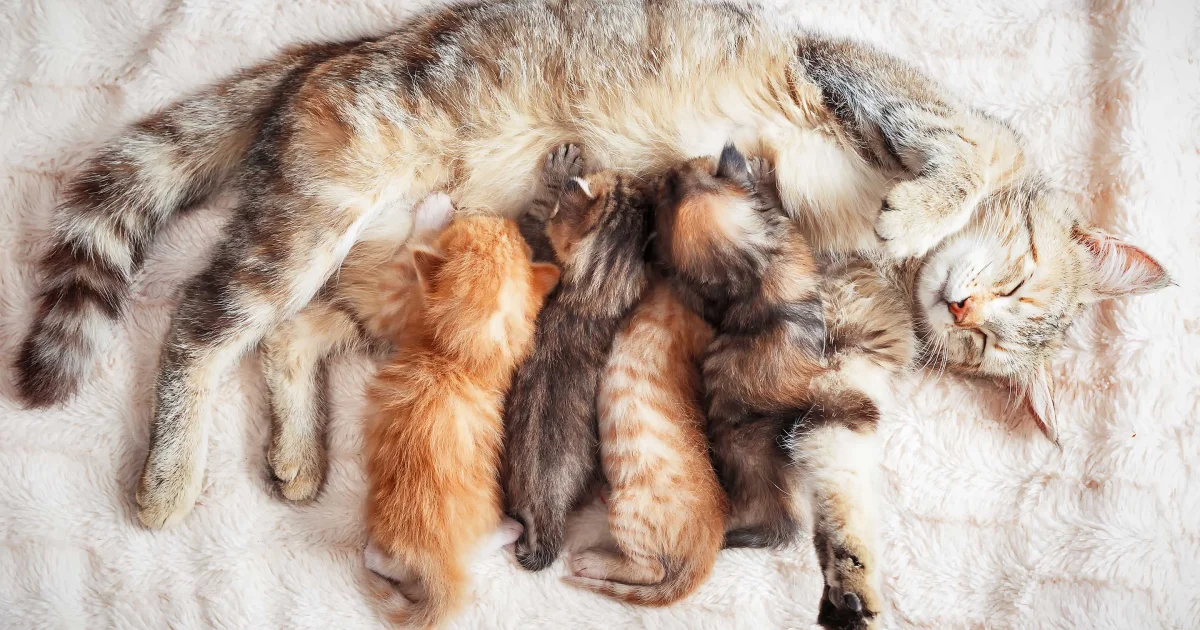
Newborn kittens under one month old rely entirely on breast milk for survival, making this the most vulnerable stage in their lives. The core of care is keeping them warm, bottle-feeding safely and assisting with elimination.
Breast milk is the best source of nutrition for kittens. If the mother cat cannot nurse, choose a kitten-specific milk replacer and ask a veterinary team for feeding guidance. Ordinary cow’s milk must never be given because kittens may not digest its lactose, which can cause severe diarrhoea and threaten their lives.
Feeding amount and frequency should be divided according to age: kittens within one week are fed every 2–3 hours, with a single intake of 1–2 millilitres; two-week-old kittens are fed every 3–4 hours, 5–7 millilitres per feeding; kittens around three weeks take 7–10 millilitres per feeding; near one month, the interval can extend to 4–5 hours with 13–16 millilitres per feeding, for 5–6 feedings a day.
Use a special feeding bottle or thin syringe only with suitable veterinary guidance. Keep the kitten in a natural nursing position and never force milk, as aspiration can be dangerous. Newborn kittens cannot regulate body temperature independently, so use a safe, monitored heat source. Prepare milk replacer according to its label, and ask your veterinary team about the right temperature. Gently stimulate the perianal area with warm, soft material 2–3 times a day when a very young kitten cannot eliminate alone.
One to Two Months: Weaning and First Habits
When the kitten’s weight exceeds 500 grams, it enters the weaning transition period. Around 45–50 days is often a useful time to begin the transition, but the kitten’s health and veterinary advice should guide the pace.
Soak complete kitten kibble with kitten milk replacer, follow the principle of small and frequent meals, offer 4–6 servings a day and adjust the amount to the kitten’s growth and appetite. Soft food can reduce the burden on the gastrointestinal tract.
- Ask a veterinary team when internal and external parasite control is suitable for the kitten’s age and weight. Do not use an adult-cat or dog product.
- Arrange vaccination with a veterinary team once the kitten is healthy and ready. The vaccine schedule and follow-up doses depend on the product, age, history and local risks.
- Avoid bathing around deworming or vaccination unless your veterinarian advises it.
- Use a low-sided, open litter box. Place a small amount of soiled litter in the box to provide a scent cue, demonstrate digging patiently and clean accidents without scolding.
Two to Four Months: Steady Food and Gastrointestinal Care
From 2 to 4 months old, kittens grow rapidly. Their diet gradually becomes fixed, and care focuses on gastrointestinal stability and adequate nutrition.
From 2 to 3 months, gradually reduce the water mixed with soaked kibble and slowly transition to dry kitten food. Choose a complete kitten diet that meets growth needs. A small amount of plain cooked chicken breast or wet food can be added only if it fits the kitten’s complete diet. Feed according to the food label and your veterinarian’s advice rather than a fixed amount for every kitten.
At 3–4 months, kittens begin teething and their gums may itch. Keep meals regular and provide safe, kitten-appropriate items to chew. Avoid frequent changes to the staple food; if a change is needed, use a gradual transition over about seven days. Keep fresh water available in more than one place.
Four to Six Months: Habits, Grooming and Social Learning
From 4 to 6 months, kittens enter a critical period of teething and physical development. Build predictable habits around a complete kitten diet, measured meals, play and rest. Treats and extras should stay small so they do not displace balanced nutrition.
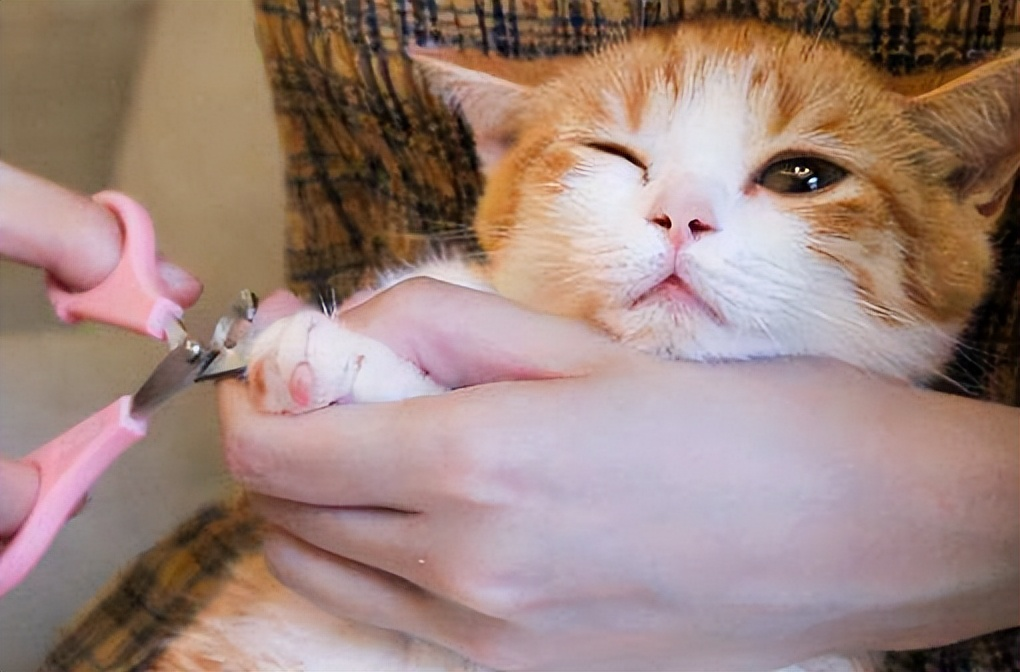
Kittens may go through their first shedding period. Brush gently and regularly to remove loose hair, trim nails without cutting the quick, and introduce a cat-specific toothbrush and toothpaste gradually. Short, reward-based sessions help a kitten accept handling and deepen the bond between you.
Kittens around six months may begin to enter sexual maturity. If you do not plan to breed, discuss the appropriate timing for neutering with a veterinary team rather than waiting for behaviour or health problems to appear.
Growing With Your Kitten
Raising a kitten is also a process in which owners learn and grow. Every feeding and care session lays a foundation for long-term health. Keep a simple record of weight, appetite, elimination, vaccination and parasite prevention for each kitten, and contact your veterinary team promptly if a kitten is weak, not feeding, losing weight or showing persistent diarrhoea or vomiting.