Health
Bringing up a litter of kittens: health considerations
Follow kitten growth, feeding, weaning and litter habits, and recognise changes that need prompt veterinary attention.
By PettyCatty Editorial Team · Updated 30 September 2026
PettyCatty perspective
For a litter, keep a simple record for each kitten rather than relying on a single impression of the group. Weight, feeding, elimination and activity trends make a change easier to spot and explain to a veterinary team.
What to check
Growth-stage feeding and preventive care depend on age and individual condition. Arrange veterinary guidance for a kitten that is not feeding, is losing weight or appears weak.
What physical changes will I see from kittens in the first weeks and months?
On average, kittens weigh around 100 grams at birth. Healthy kittens should double their birth weight in the first two weeks, and then continue to gain weight steadily. Weighing the kittens regularly is a good idea so you can be sure they are thriving and growing as they should. When they are small you can use household scales, but as monitoring weight benefits cats of all ages, investing in scales suitable for adult cats (baby scales are often used) is a good idea.
Here are some of the other physical changes that take place during the first few weeks of life:
0-2 weeks
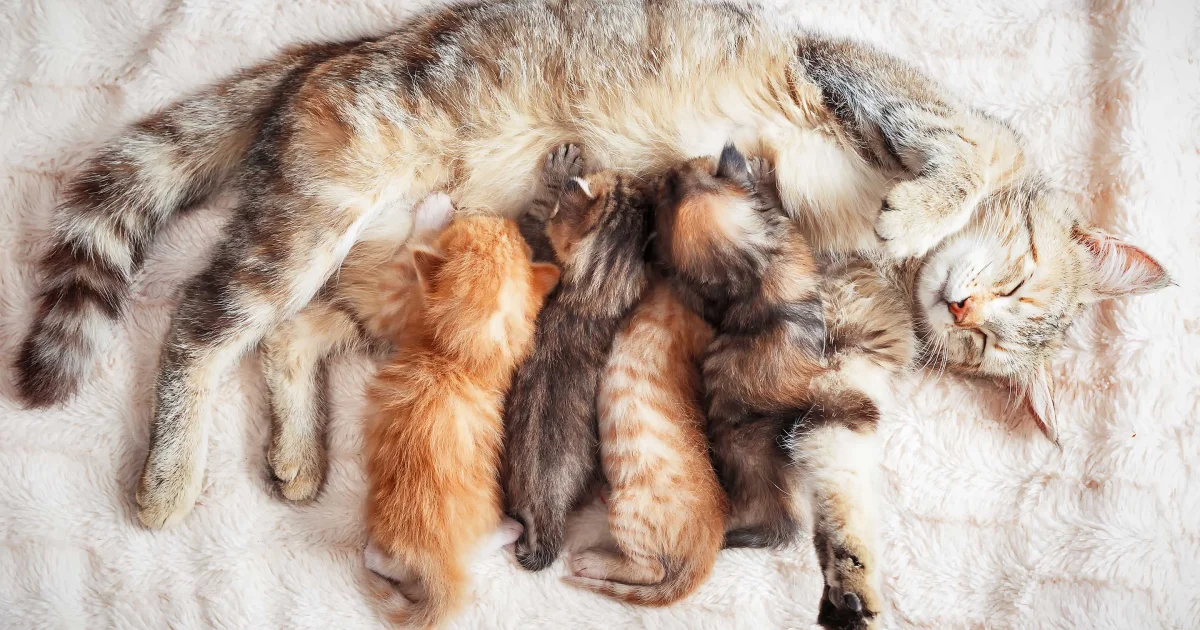
For the first two weeks, kittens’ responses revolve around temperature, touch, and smell. While they are quite immobile, they use slow, paddling movements to move short distances. The kittens are completely dependent on their mother (the queen) for feeding - she will initiate nursing and her milk is their only source of nutrition. Eyes usually open during the first two weeks; do not force them open. Baby teeth begin to emerge over the following weeks, and development varies between kittens.
3-4 weeks
From three to four weeks, kittens will use their sight to guide them towards their mother. They will start walking from around three weeks, and by four weeks, they will be able to move a reasonable distance. From around four weeks, kittens normally start to eat solid food, marking the onset of the weaning process.
5-6 weeks
As weaning progresses, kittens start to become responsible for initiating nursing. They will also be able to toilet for themselves, without relying on their mother to lick their bottoms to stimulate urination.
7-8 weeks
By this point, the kittens will start to show adult-like responses to smell and visual threats from other cats. Weaning should be almost complete by seven weeks, and they will also be able to regulate their own body temperature.
9 weeks onwards
Complex motor abilities, such as walking along a narrow fence or turning on it may not develop fully until 10 to 11 weeks after birth, and until around 12-16 weeks, your kittens’ vision will continue to improve.
Kittens can go downhill very quickly. If you are concerned about any of your litter, contact your veterinary team as soon as possible.
How do I know if the kittens are healthy?
If you notice the kittens are crying excessively, or failing to suck, they are usually hungry or ill. Common signs of illness include weakness, being cold, or regurgitating milk. You may also notice sick kittens lying separately from the rest of the litter and being ignored by their mother. The main health problems seen in kittens include hypothermia, hypoglycaemia, dehydration, diarrhoea, and constipation.
Congenital disorders, including cleft palate, umbilical hernia and skeletal abnormalities, may be present from birth. A veterinary examination is needed if a kitten feeds poorly, seems weak or is not growing as expected.
As kittens can go downhill very quickly, if you are concerned about any of your litter, contact your veterinary team as soon as possible.
Healthy, normal kittens should eat or sleep for 90% of the time for the first two weeks of their lives. Well-fed kittens have round bellies and appear content.
Newborn kittens normally receive nutrition and water from their mother’s milk. Early milk, called colostrum, supplies antibodies. Milk supply varies with the mother and litter; if kittens are orphaned or are not nursing adequately, seek prompt veterinary advice about kitten milk replacer, feeding technique and monitoring.
When do I wean the kittens?
Weaning (moving on to solid food) should begin at around three to four weeks of age. Earlier than this, or if it is done too suddenly, will cause stress to the mother, at what can be a stressful time for the kittens as they start to spend time apart from their mother and littermates. A slow, steady weaning period will lead to healthier kittens.
From around three to four weeks, offer small, frequent meals of complete kitten food while nursing continues. Dry kitten food may be softened with water. Keep the feeding area clean and replace uneaten wet or moistened food promptly.
Offer food on a very shallow saucer or plate for easy access - be prepared for your kittens to stand in and walk through the food, so it will need changing regularly. Feed small amounts at a time. If the kittens need encouragement, try a little food on your finger or on the tip of a small spoon. Over the course of a few weeks, you will notice the kittens starting to eat more of the kitten food and take less milk from their mother.
Kittens should gain weight steadily and be fully weaned by around six to eight weeks of age. From this point, feed them using the recommendations of the food manufacturer as a guide (you will find this on the food packet). Kittens should always be fed a diet designed for their age as adult food will lack nutrients for growth.
While kittens can be offered milk replacement or commercial cat milk as part of the weaning process, this isn’t necessary, as they will get all the nutrition they need from their mother and their kitten food.
How do I train kittens to use a litter tray?
Provide the kittens with a low-sided litter tray from around three weeks of age. Start with sand, wood, or paper-based litter, rather than clay, as some kittens may try to eat the litter. Silica gel shouldn’t be used for kittens under eight weeks of age.
Many kittens learn by watching their mother. Place the kitten gently in a low-sided tray after eating or waking, and allow it to explore without forcing its paws. Very young kittens that still need help with elimination require veterinary guidance and gentle stimulation with warm, damp cotton.
Treating for worms and fleas
Ask your veterinary team for a worming and flea-control plan based on each kitten’s age, weight and circumstances. Use only products confirmed as suitable for that kitten, and never substitute an adult-cat or dog product.
Vaccination
Arrange a kitten vaccination schedule with your veterinary team. The start date and follow-up doses depend on the kitten’s age, history, local risks and vaccine used.
Neutering
If you are not planning on breeding from your cat, they should be neutered at around 4 months old, before they reach sexual maturity.
If you own the mother cat, you will also need to think about neutering her - she can quickly become pregnant again, so unless you are planning on further breeding, speak to your veterinary team about neutering her as soon as the kittens are weaned.
Insurance
It is a good idea to insure kittens at an early age – they can go to new homes with insurance covering the next few weeks or insurance can be arranged promptly on rehoming.
When to contact your veterinary team
If the kitten(s) or queen are showing any signs of ill health, contact your veterinary team immediately. Your veterinary team will also be happy to provide support and answer any questions you may have as your kittens grow.
Additional Resources and Practical tips
In this article, we’ve looked at the various health considerations involved in bringing up a litter of kittens. Of equal importance, is how well your kittens interact with people, and the responsibility for how your kittens behave towards people for the rest of their lives can depend on how they’re brought up in the first seven to eight weeks.
Glossary of Terms
Hypothermia - low body temperature
Hypoglycaemia - low blood sugar